

News
Transdisciplinarily Aestheticized
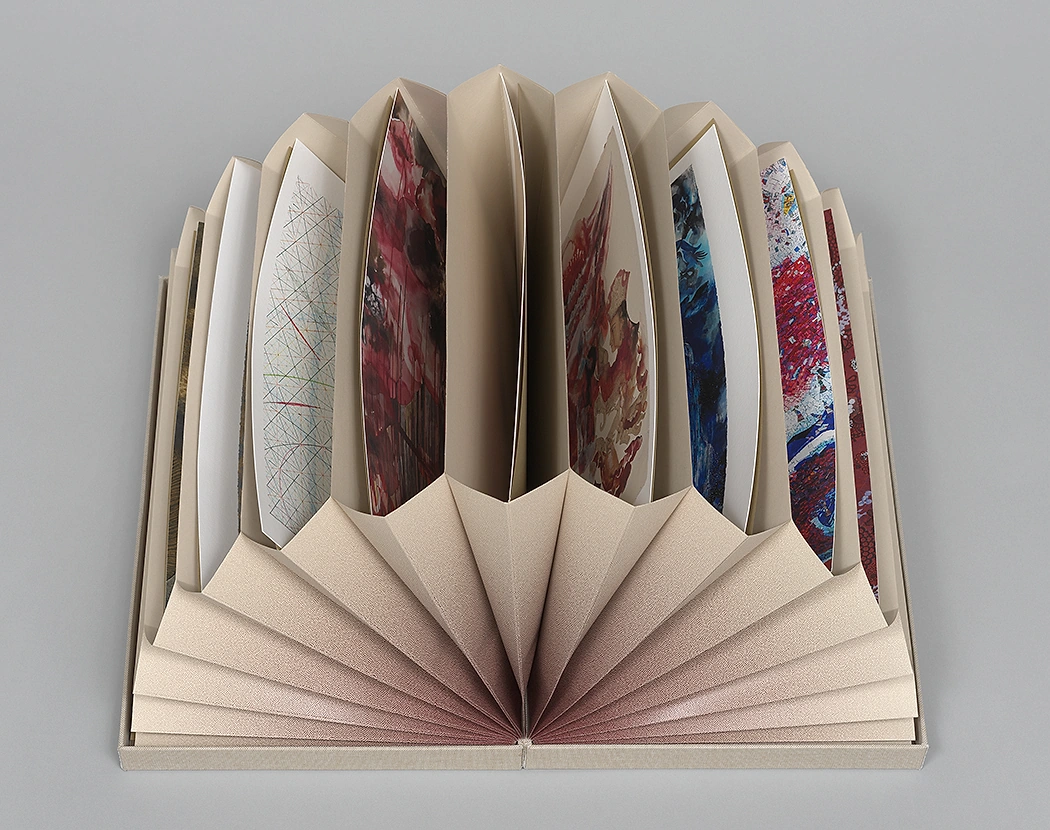
Sitting at the intersection of the visual, semantic, and tactile, The Book of Lightness and Forgetting uses artistic intervention to encapsulate neurological knowledge.
ARTOEND Editorial Team
25 July 2026
«The Book of Lightness and Forgetting»
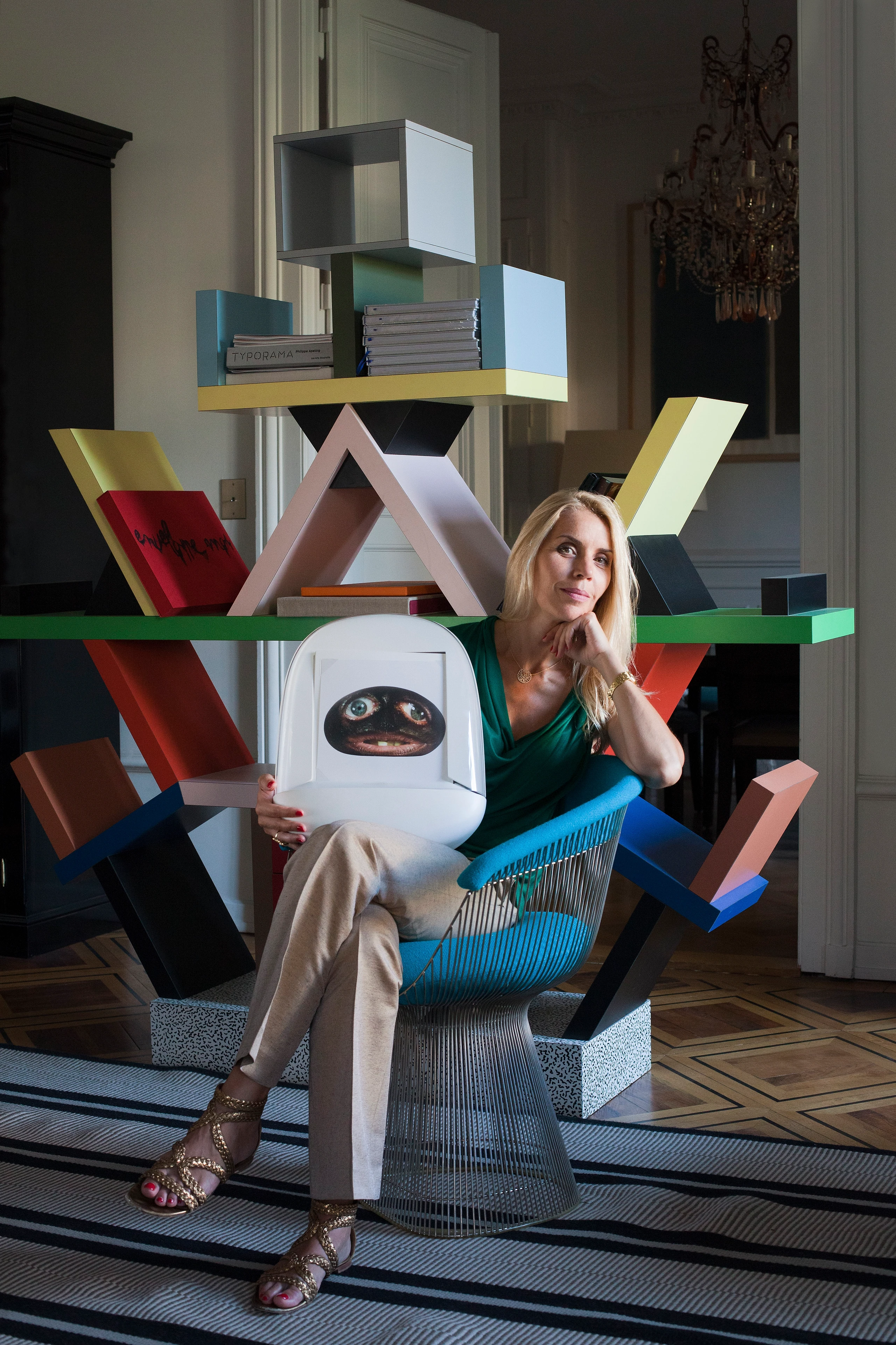
Céline Fribourg is the founding editor of éditions Take 5, a publishing house which materializes “innovative collaborations between major contemporary talents in art, literature, design, and graphics,” involving artists, scientists, and designers, in the form of books. All of which is neither a book about art nor an artbook, but each aesthetically suffices as a work of art by itself.
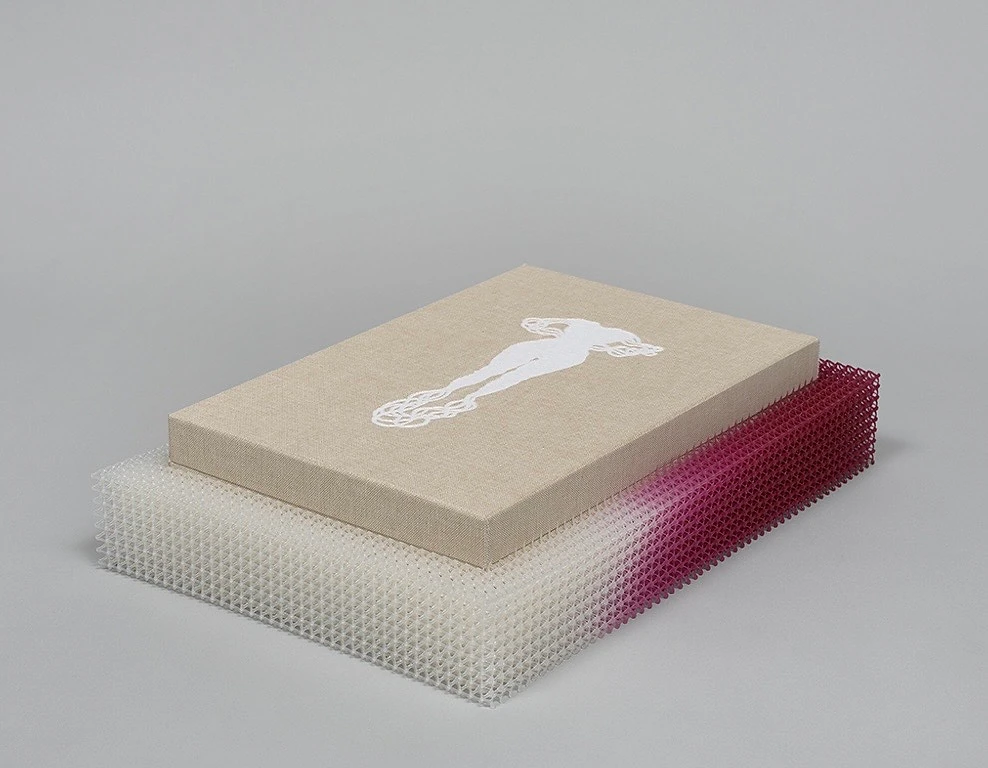
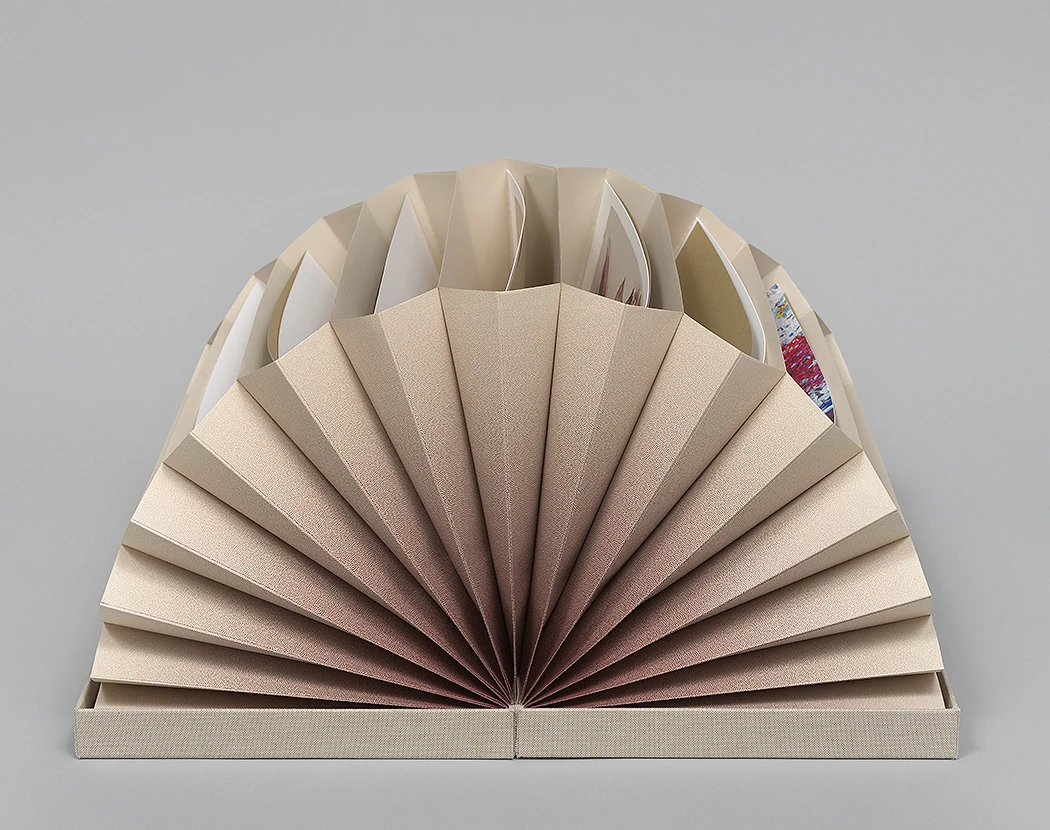
Among them is The Book of Lightness and Forgetting [Livre de l’Oubli et de la Légèreté], which primarily features artworks by Shahzia Sikander, a Pakistani-American artist whose miniature paintings, with their narrative power reinterpreted, bring forth the idea of forgetting: as a means of protection, transition, and creation. Accompanying these art pieces are the written words of Dr. Scott A. Small, an American neuroscientist who currently directs the Alzheimer’s Disease Research Center at Columbia University, and who is known for his work on the disease, normal cognitive aging, research on the hippocampus and schizophrenia. The publication is made complete with graphic designs, including aesthetic experimentation, typographic accuracy, and visual narrative, from Atelier Tout va Bien. The totality of the work is encapsulated in the book case imagined by Christophe Gubéran, a Swiss designer who graduated from ECAL and bases his work on observation and experimentation. Gubéran has been collaborating with MIT in Boston since 2014, having designed with companies such as Nestlé, Alessi, USM and Google, receiving numerous distinctions including the Swiss Design Award on several occasions. To be paired with the book is his silicone lattice tray case, surrounding the book “like a cranial box, and is reminiscent of neural circuits through its tangles;” the materiality of which is created in Boston through the revolutionary technology of 3D printing in liquid.
This volume of ARTOEND brings the worldview of the aestheticizing mind to life under the theme "Bringing Neuroaesthetics into Life." Through curation, design, and artmaking, the featured works explore the relationship between reality and creation. While Ieva Andrulyte uses creative, scientific-computational visualizations to accurately map the brain, Céline Fribourg and her co-creators restrict traditional representation in The Book of Lightness and Forgetting, opting instead for creative reconstruction. Moving from Andrulyte to Fribourg, the projects mirror the mind's effort to discover the true essence of the neurological by boldly yet carefully reshaping it.
Continue reading
Unlock this issue to read the full piece.
One purchase unlocks every online section in this issue.
Unlock the issueBack to the issue