

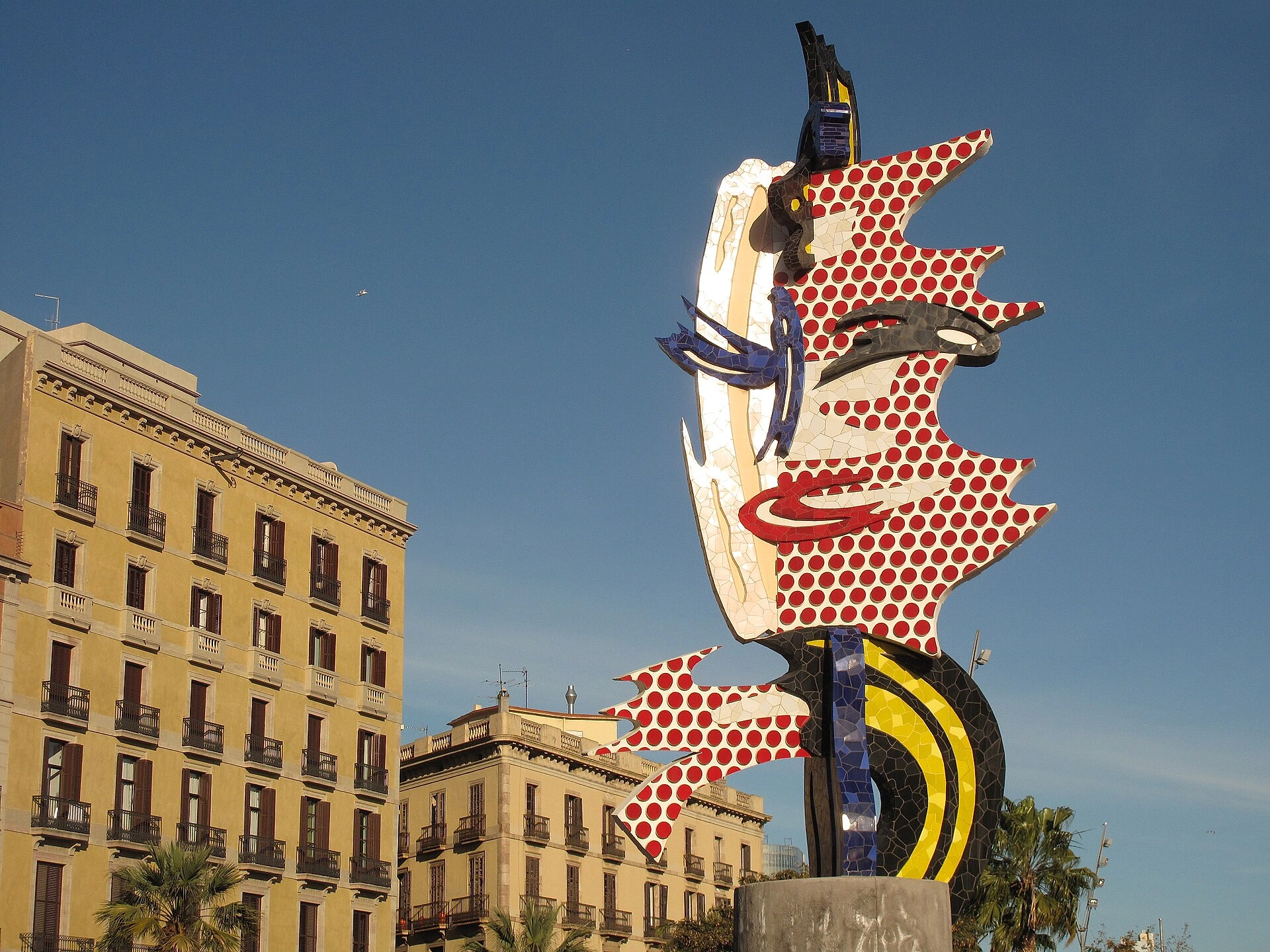
Critical Analysis
Post-Structuralism and Postmodernism: Meditations of the Zeitgeist for Bringing Neuroaesthetics into Life
Tracing the zeitgeist of post-structuralism and postmodernism through the intimacies of scientific and artistic discourses with epistemology and individual life.
Nguyen Phuc Hien
24 July 2026
«[P]ostmodernism and post-structuralism is the axiological and epistemological democratization which grants the individual agency to enter the discourse»
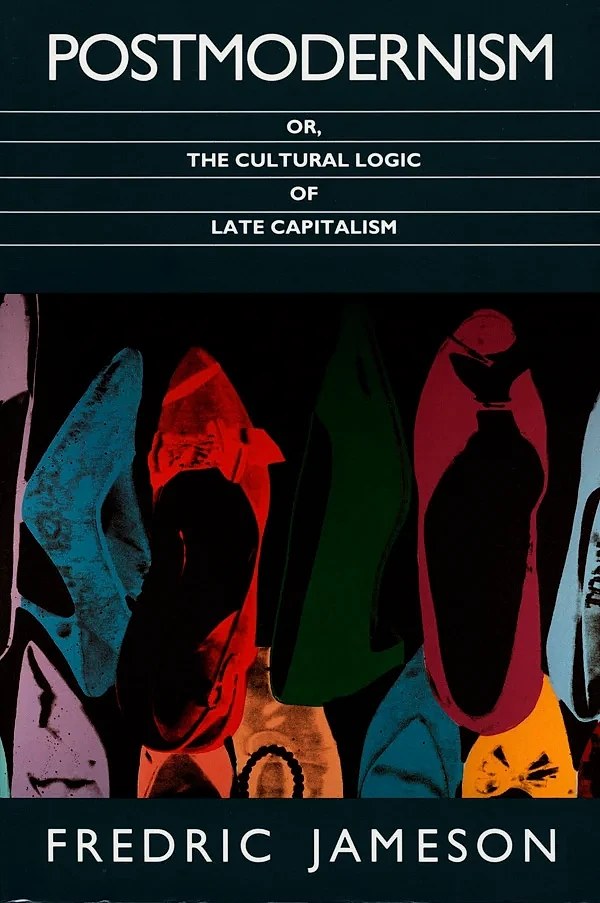
The spirit of the world today is entangled with or loomed over by the viscous substance of postmodernism, within which there is post-structuralism. Evoking the postmodern is, however, a task which remains more doable when the aspects of postmodernity are concerned with, rather than the postmodern project as a whole. Being an epistemological reality whose genealogy is bound to the politicoeconomical (Jameson, 1988), the postmodern, existing from the latter half of the 20th century, and is still ongoing, can be understood as a sequence of critical questioning of which preceded it: modernity. Whereas the modern enshrines metanarratives which are to justify or situate smaller narratives within it, the postmodern is the impotency of metanarration. If modern thoughts found themselves on the basis of stable, logocentric systems, postmodernism plagues epistemology with the instability subsequent to the realization of the paradox of the center. While other aspects like hyperreality, hypermodernity, posthumanism, and the consumer society remain intact to postmodernist discourse, it is with the abovementioned two with which this article concerns itself.
Derrida and the demystification of logocentrism
The intellectual systems of human thought is indebted to a center which governs the structures: for instance, God being the center of Abrahamic theology, reason being the center of Enlightenment thought, the human being the center of anthrocentric ethics, the European being the center of colonial or Eurocentric epistemology, etc. Addressing the metaphysics of the center and centeredness itself, Derrida (1988) wrote in his famous essay Structure, sign, and play in the discourse of the human sciences:
“Thus it has always been thought that the center, which is by definition unique, constituted that everything within a structure which while governing the structure, escapes structurality. This is why classical thought concerning structure could say that the center is, paradoxically, within the structure and outside it. The center is at the center of totality, and yet, since the center does not belong to the totality (is not part of the totality), the totality has its center elsewhere. The center is not the center.”
In other words, through philosophical explorations into the metaphysics of center, the center is a phantom, a fiction, a placeholder of something nonexistent. Consequently, the system which founded itself on the myth of the center, with hopes that the center would justify the system itself, is ultimately at a loss. Historically, if beauty has been declared as revolving or originating from the divine, the universal, or the artist, said center ultimately failed to govern the aesthetic system endowed to them, per the Derridean iteration. The construction of beauty with the divine as the center collapses when one considers that this divinity is ultimately a divinity articulated by the secular, i.e. the human being. The illusion of beauty as some universal property abjects itself when the Marxist or postcolonial account is taken in regards to the Eurocentric aesthetics. Lastly, the artist as the ultimate aesthetic authority deconstructs themself when burdened with the realization of their epistemological interdependence (Eliot, 2001).
Continue reading
Unlock this issue to read the full piece.
One purchase unlocks every online section in this issue.
Unlock the issueBack to the issue