

News
Heka Studio: In The Field
Merging law, anthropology, and artistic practice, the interdisciplinary researcher creates temporary, ritualistic environments to investigate the invisible structures that shape meaning, power, and shared realities.
ARTOEND Editorial Team
25 July 2026
«The question HEKA opens is: Will you join?»
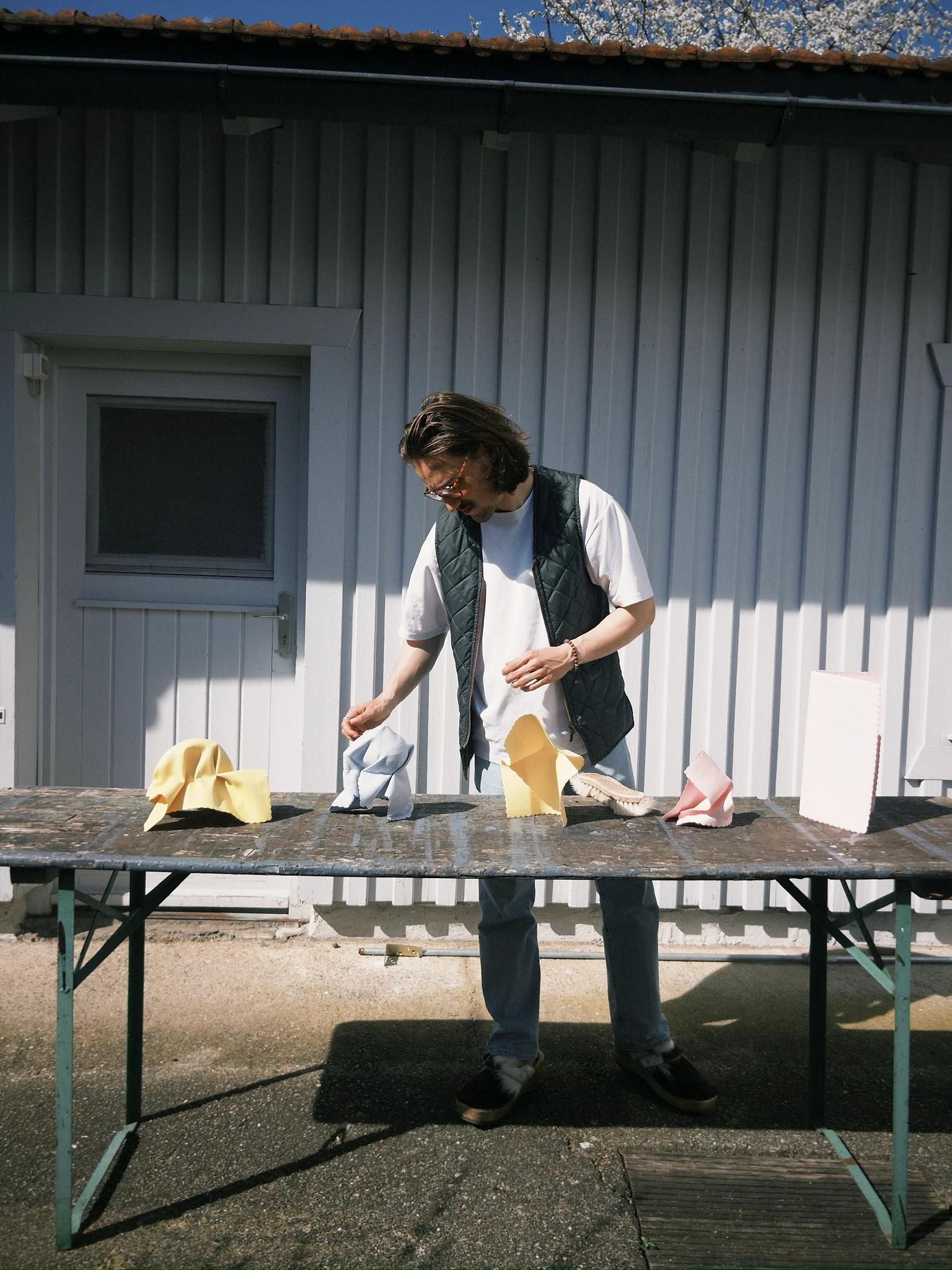
Joseph Macke is an artist, lawyer and interdisciplinary researcher whose work investigates the invisible structures through which societies produce meaning, power and reality. As co-founder and Artistic Research Conductor of HEKA, he develops artistic fields in which sensitive perception and collective imagination become the primary materials of artistic practice.
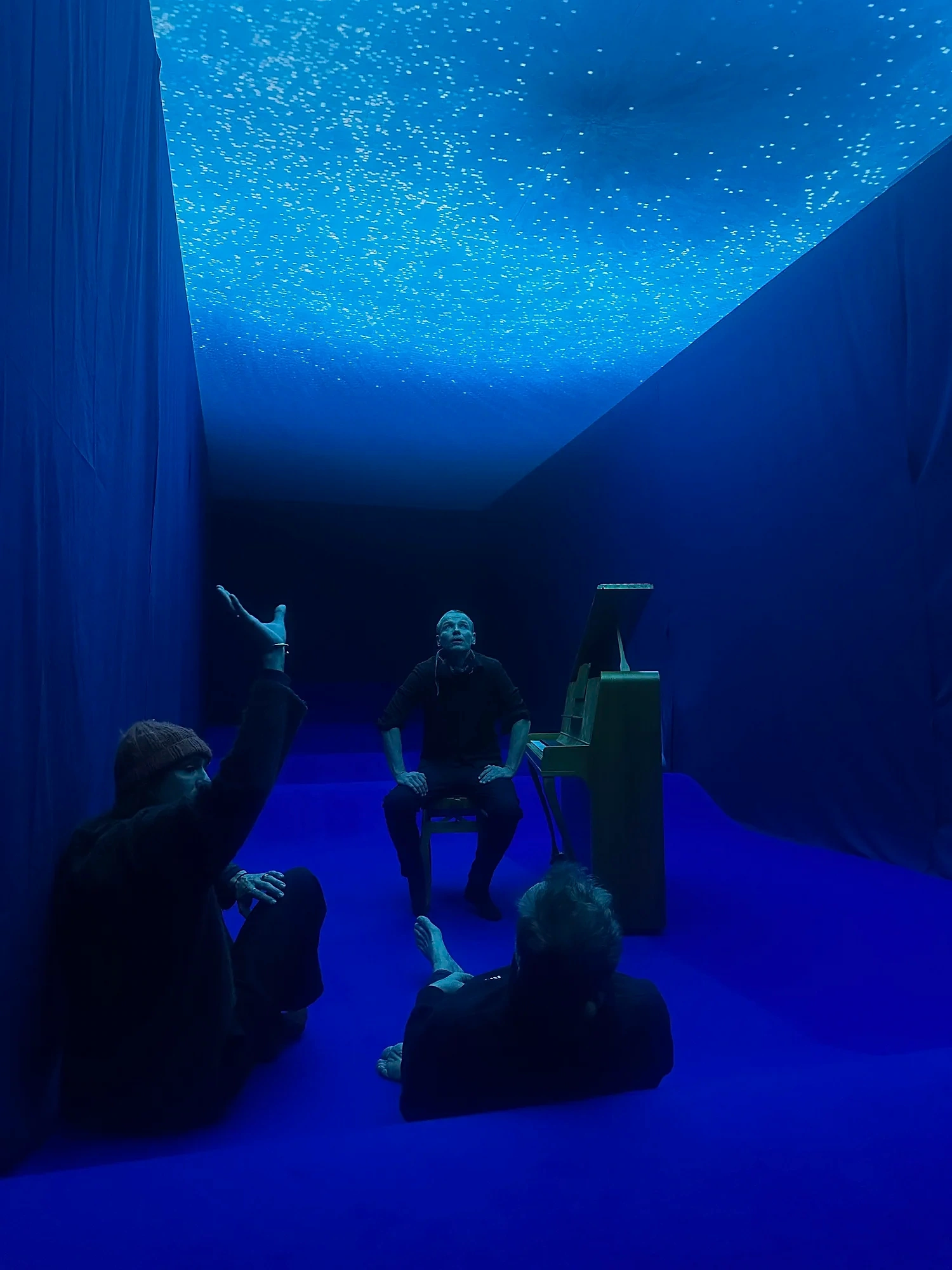
His work moves between legal philosophy, anthropology, and systems thinking. Inspired by research into relational ontologies and indigenous knowledge systems, Macke understands art less as the production of objects than as the creation of conditions (“FIELDS”) in which relationships can emerge. His installations therefore function as temporary rituals that invite audiences to inhabit different modes of attention and presence.
Alongside his artistic practice, Macke specialises in technology and intellectual property law. The dialogue between legal systems, cultural structures and artistic experimentation informs HEKA's broader inquiry into how societies establish order, authority and shared realities through patterns of interaction and representation.
Overview
HEKA is an interdisciplinary artistic research studio investigating the fields through which perception, meaning and collective experience emerge. Instead of producing stand-alone objects, HEKA creates temporary situations in which visitors become participants in relational environments shaped by rituals, atmosphere, and embodied perception.
Inspired by anthropology, philosophy, ecology, and the cognitive sciences, the studio explores a simple yet fundamental question: What are the conditions that allow a world to appear? Across cultures, rituals have long functioned as technologies for organising attention, transforming perception and establishing relationships between humans, landscapes and more-than-human worlds. HEKA approaches artistic practice as a contemporary continuation of these traditions.
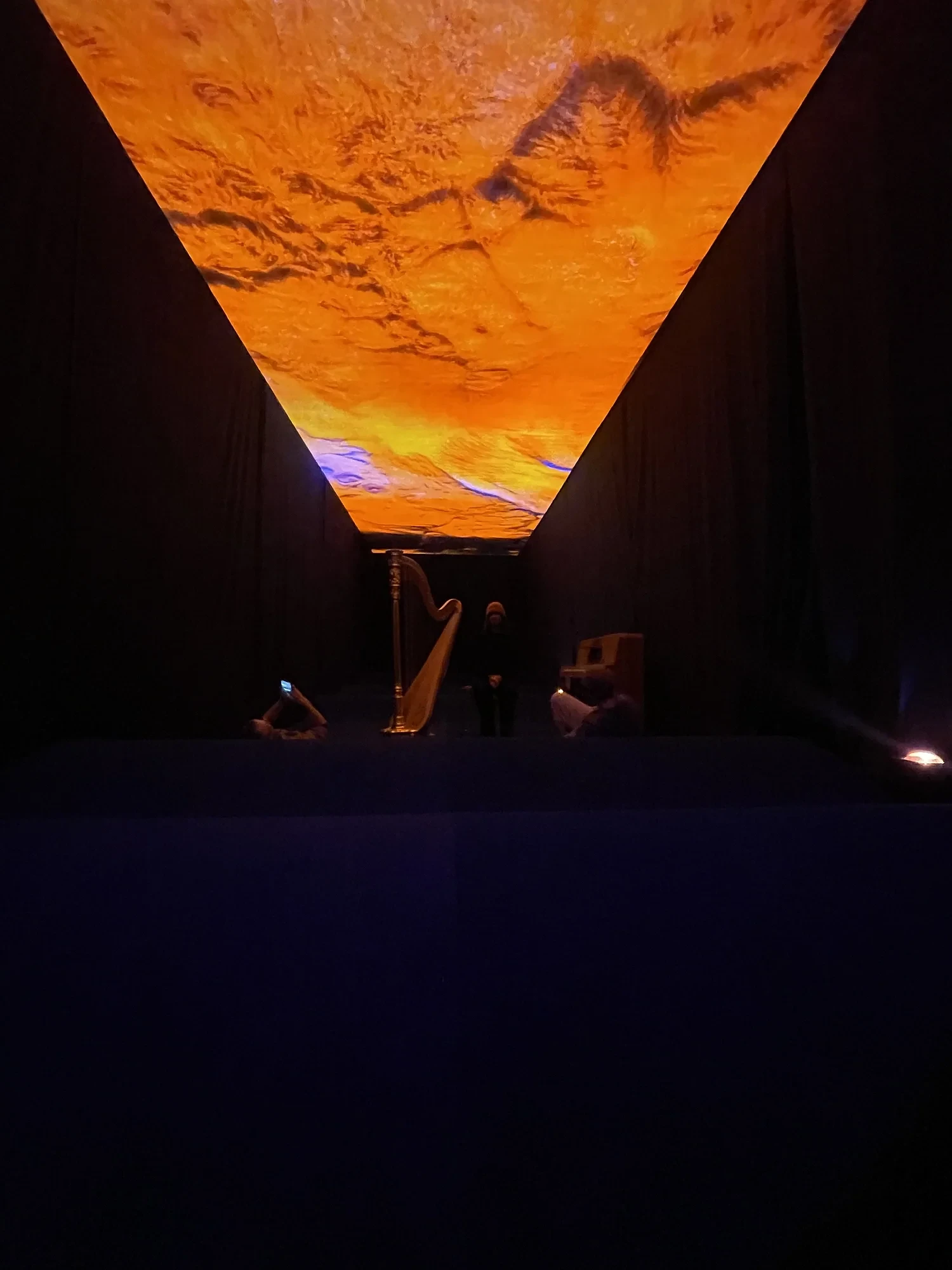
Its installations combine light, sound and architecture to create fields rather than narratives — spaces in which meaning emerges through participation. Scientific knowledge and artistic intuition are not treated as separate domains but as complementary ways of investigating reality.
By bringing together artists, anthropologists, neuroscientists, architects and philosophers, HEKA develops works that invite slower forms of attention and renewed sensitivity towards the invisible structures that shape collective life. Every project becomes an experiment in perception and a temporary ritual through which visitors negotiate new relationships with themselves, with others and with the environments they inhabit.
Biography
A central part of the HEKA ecosystem is HEKA ReaSen (Research on Sensorics), a platform bringing together researchers from neuroscience, psychology, anthropology, philosophy, cognitive science and related fields. ReaSen treats science as a dialogical partner: scientific inquiry informs artistic practice, while artistic environments generate new questions for research. Knowledge develops through exchange rather than hierarchy.
Continue reading
Unlock this issue to read the full piece.
One purchase unlocks every online section in this issue.
Unlock the issueBack to the issue