

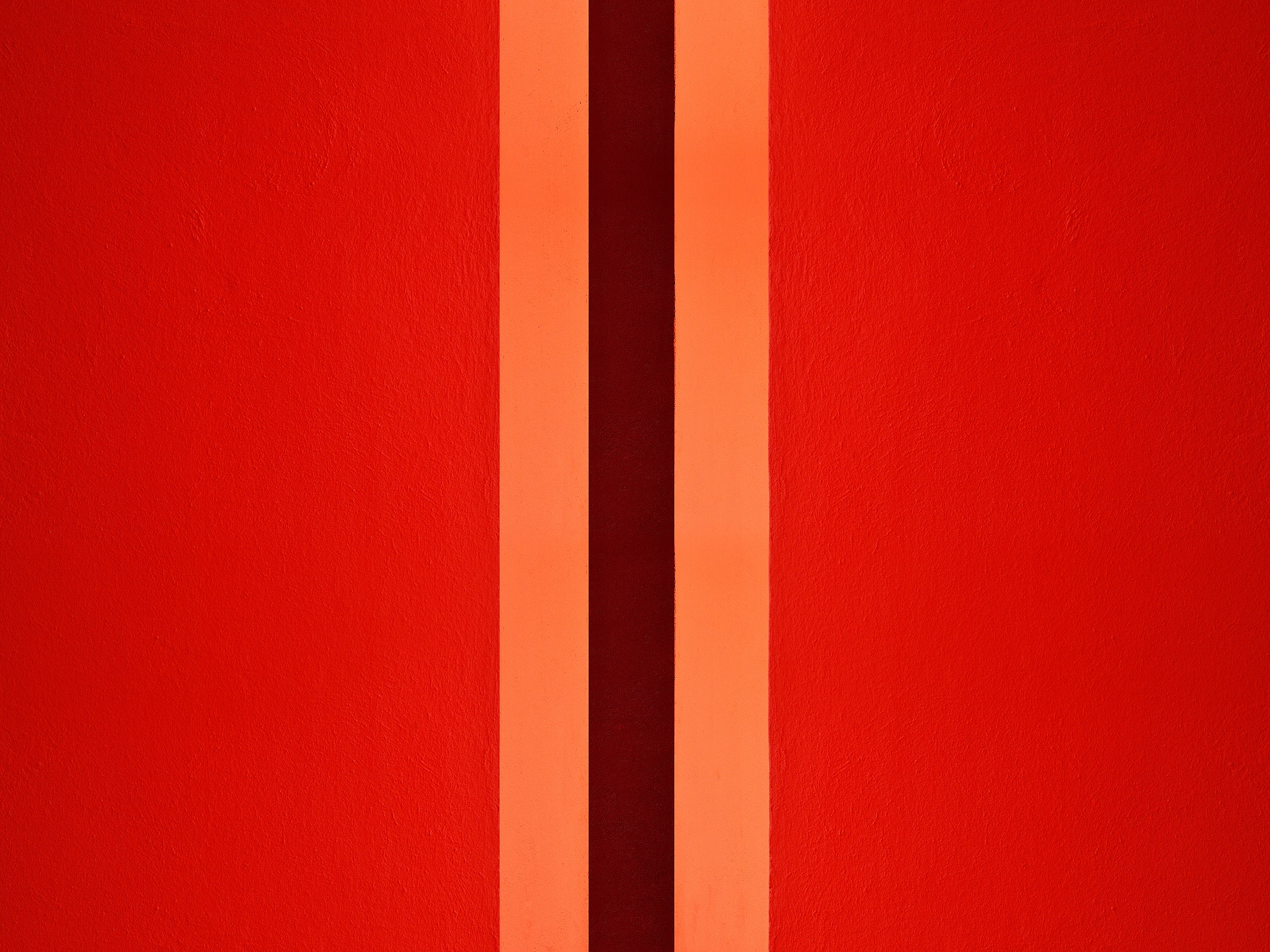
Artworks
The Space Between
The photographer reimagines Ricardo Bofill’s La Muralla Roja, using 2D visuality to provoke new sensory experiences of 3D structurality.
ARTOEND Editorial Team
25 July 2026
«Ultimately, the work operates on two interconnected levels: it reshapes how architecture is seen, and it reveals how engaging with space can recalibrate how it is felt.»
Daniel Holfeld’s work is primarily concerned with photography as an aesthetic practice grounded in principles of art therapy and neuroarchitecture. Stripping away excess visual information, he turns photography into a form of meditation which slows perception, restores balance, and re-engages the parasympathetic nervous system. In The Space Between, he approaches the environment of Ricardo Bofill’s La Muralla Roja as a site of embodied experience. Abstracting and distilling complex architectural compositions into vignettes, with photography as a regulating process in between, reveals how engaging with space can recalibrate how it is felt while also opening up a more humane restorative way of appreciating architecture: one that is based on sensory experiences, existing not merely spatially, but also corporeally.
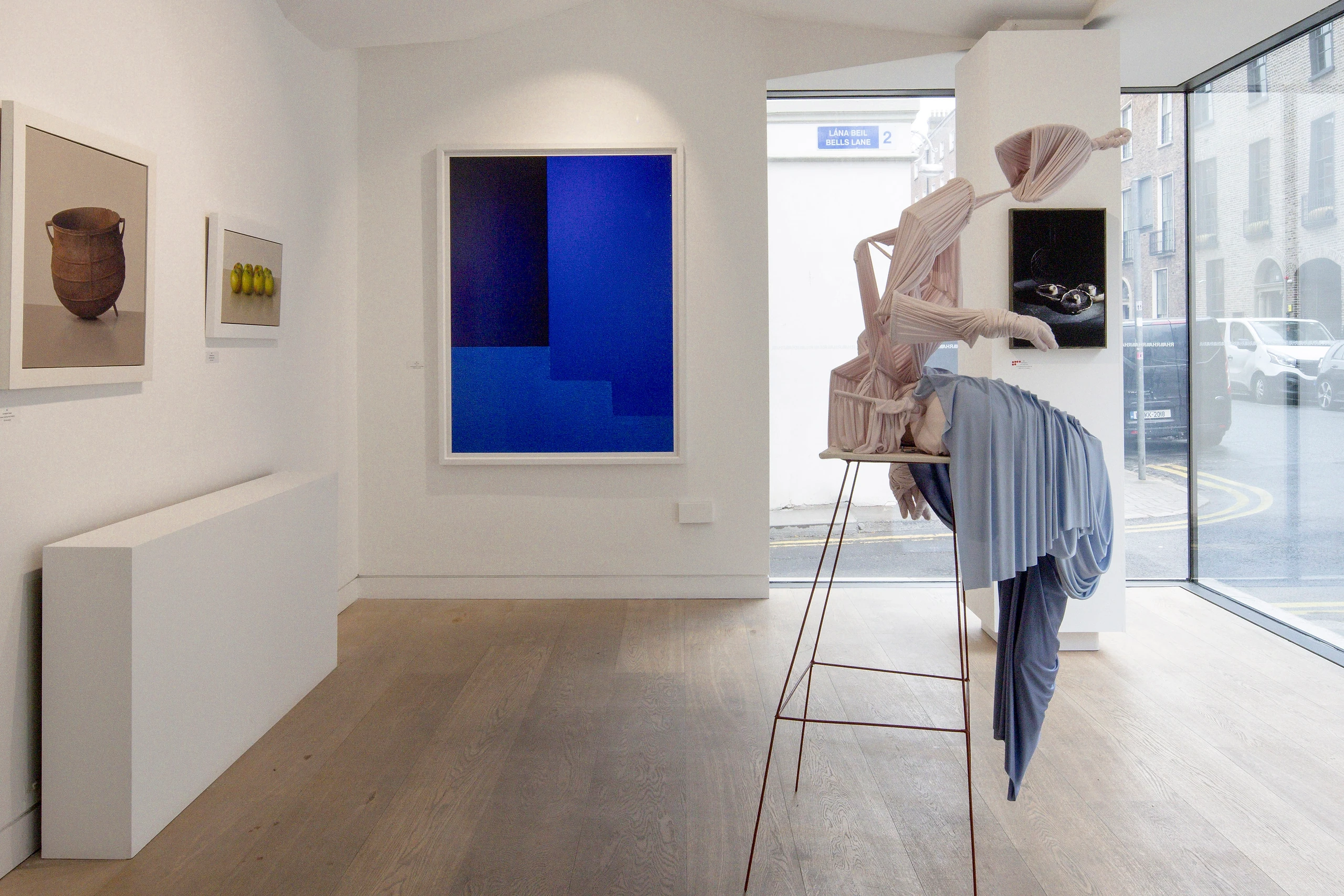
Daniel Holfeld: “[My] practice emerges from a simple but powerful question: what if it’s not just individuals who are overwhelmed, but the environments we’ve created? In a world where the brain absorbs tens of thousands of visual cues each day, [I] recognize how constant sensory input can push the nervous system into a state of overload. Drawing on principles of art therapy and neuroarchitecture, [my] work reframes photography as a meditative, embodied practice — one that slows perception, restores balance, and re-engages the parasympathetic nervous system.”
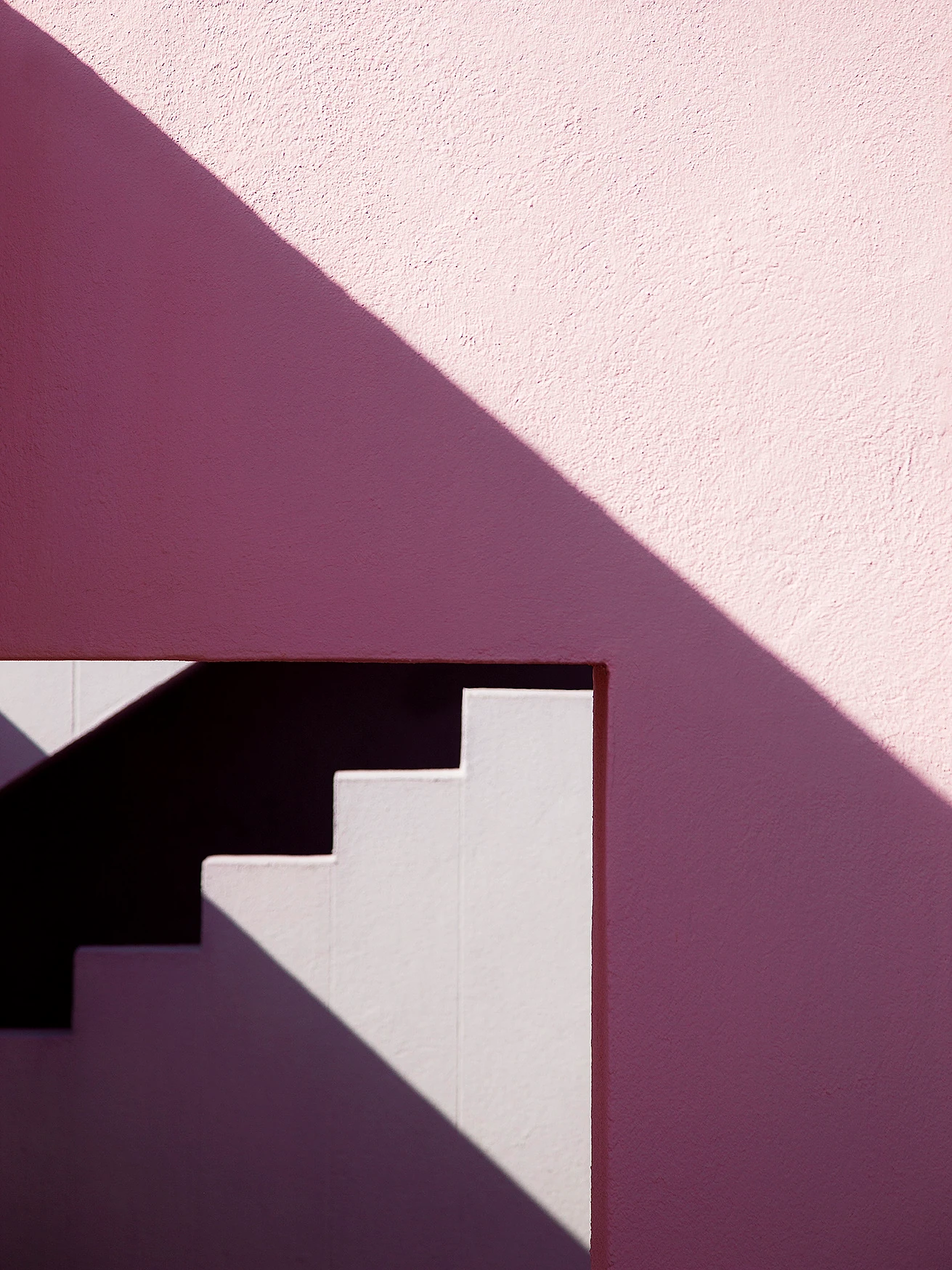
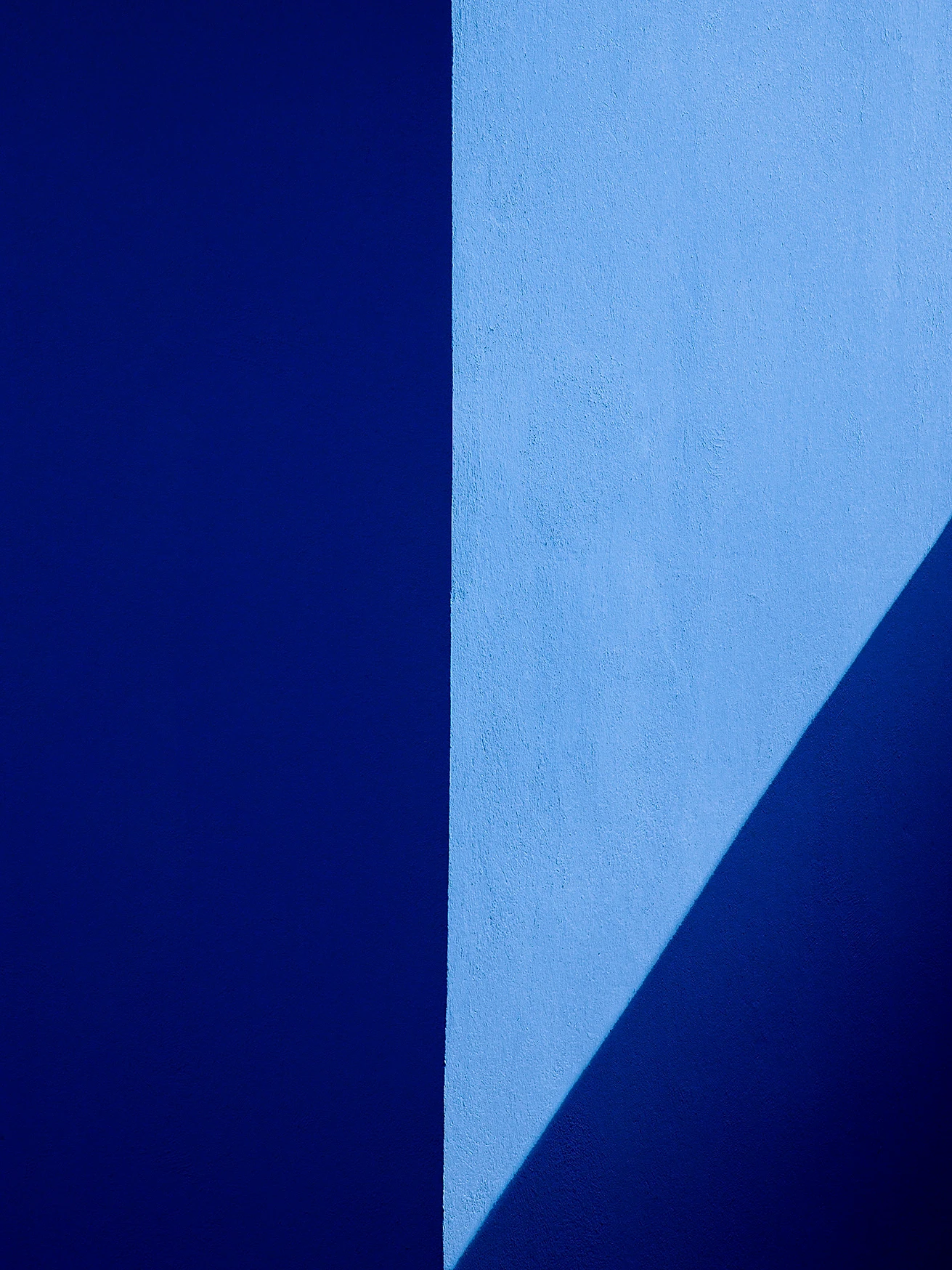
His work is representative of the explorations into the surrounding world as realm of the aesthetically possible, one end on the continuum of the neuroaesthetic dialectic. Using photography as a means of reiteration and articulation, Holfeld presented the mind with a piece of the total realm of the real, engineering the aesthetic experience to follow, and reshuffling the affective structures of said aesthetic experiences. Navigating the sample space of aesthetic possibilities, he brings forth the neurological shift in which spatial simplification trailblazes new interpretive pathways, repositioning the built environment from an intellectual spatiality to emotional and perceptual habitats. Here, Holfeld reminds us of the Aristotelian catharsis innate to many encounters with the aesthetic: in engaging with the space, searching for balance, symmetry, and alignment, he cultivates a parallel sense of order within himself. Artistic engagement here brings neuroaesthetic into daily conversations through the employment of the external world as an outsourced regulation system for the inner psyche, interestingly employing architectural structures as an affective-neurological structure.
Daniel Holfeld: “Equally significant is the internal dimension of this practice. The act of photographing — of searching for balance, symmetry, and alignment within the viewfinder — becomes a regulating process. In isolating geometrically harmonious compositions, Holfeld cultivates a parallel sense of order within himself. The external harmony he constructs in the frame mirrors an internal calming effect, gently soothing his nervous system during the act of image-making. This reciprocal relationship between perception and physiology is central to the series. Ultimately, the work operates on two interconnected levels: it reshapes how architecture is seen, and it reveals how engaging with space can recalibrate how it is felt. By translating complex structures into embodied, sensory experiences, the series opens up a more humane and restorative way of appreciating architecture — one that exists not just in space, but within the body itself.”
Continue reading
Unlock this issue to read the full piece.
One purchase unlocks every online section in this issue.
Unlock the issueBack to the issue